Eczema Treatment in Dubai
Understanding eczema, protecting the skin barrier and managing inflammation with appropriate medical care.
What is eczema?
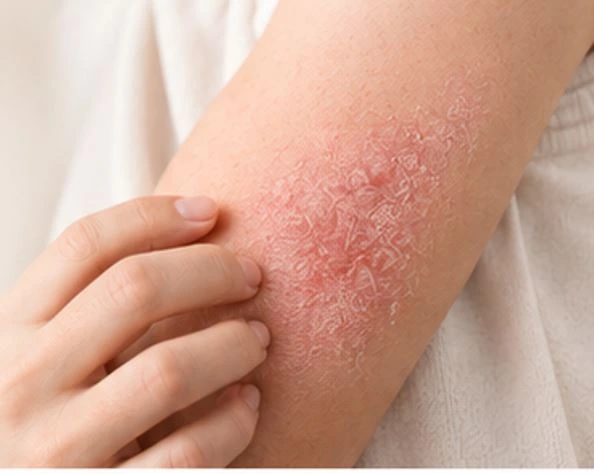
Eczema, also known as atopic dermatitis, is a chronic inflammatory skin condition. It causes dry, itchy and sensitive skin that can flare up periodically. The skin barrier is often weaker, allowing moisture to escape more easily and making the skin more reactive to irritants and allergens.
Eczema can affect children and adults. It is not contagious and cannot be spread from one person to another.
Common signs and symptoms
areas
skin
scaling
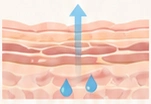
Moisture is retained and the skin is better protected.
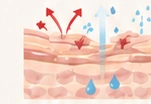
The skin barrier is weaker, allowing moisture to escape and irritants to penetrate more easily.
What can trigger eczema?
Eczema can be influenced by a combination of genetic and environmental factors. Common triggers include:
and cleansers
certain skincare
products
environmental
allergens
and climate
changes
(e.g. wool)
washing and
detergents
(e.g. colds, viral
infections)
Be gentle with your skin
The skin absorbs what we put on it. Inappropriate skincare products can worsen eczema, leading to irritation, more dryness or more flare-ups.
- Use gentle, fragrance-free cleansers.
- Choose moisturizers that are suitable for sensitive or eczema-prone skin.
- Be cautious with exfoliating acids, active ingredients and multiple products.
- If you are unsure about a product, ask for medical advice.
When should you consult a doctor?
It is recommended to consult a doctor if you:
- ✓Have persistent or recurrent eczema
- ✓Have significant itching or disturbed sleep
- ✓Notice signs of possible skin infection (e.g. increased redness, crusting or pain)
- ✓Are unsure about the diagnosis
- ✓Need advice on long-term management
Frequently Asked Questions

Eczema consultation at Medrose
Our doctors assess your skin, review possible triggers and create an appropriate management plan to help control your eczema and support healthier skin over time.
Doctor of Medicine.