
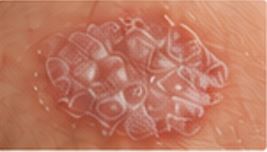
Plaque psoriasis
Red, well-defined patches with silvery scales. Common on elbows, knees and scalp.
Medical care to help control psoriasis, reduce flare-ups and improve skin comfort.
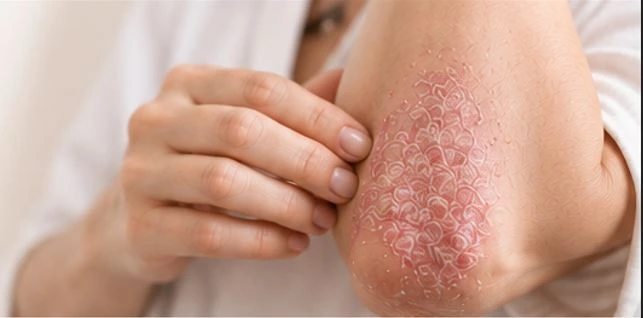
Psoriasis is a chronic, immune-mediated skin condition that causes red, scaly patches due to an accelerated growth of skin cells. It can affect different areas of the body, including the scalp, nails and sometimes the joints. It is not contagious.
A long-term condition that can often be controlled with appropriate care and regular follow-up.
Book a Consultation →
Red, well-defined patches with silvery scales. Common on elbows, knees and scalp.

Scaling, redness or itching on the scalp, which may extend beyond the hairline.
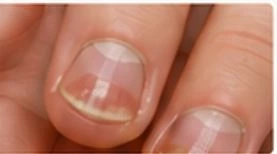
Pitting, thickening or discoloration of the nails.
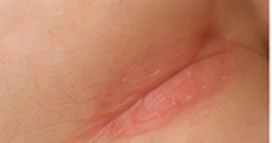
Red, smooth patches in skin folds.
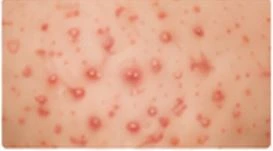
Small, drop-like spots, often after an infection.
We start with a thorough medical assessment to confirm the diagnosis, evaluate the severity and discuss your needs. Treatment is tailored to your condition and may include:

Simple steps that can help manage psoriasis and reduce flare-ups.
Use a fragrance-free moisturizer daily, especially after bathing.
Avoid very hot showers and harsh soaps that may irritate the skin.
Try not to scratch or remove scales, as skin injury can trigger new lesions.
Stress, infections, skin injuries and certain medications may contribute to flare-ups.
Follow your doctor’s instructions, especially with corticosteroid creams.
Persistent joint pain, swelling or morning stiffness should be discussed with your doctor.
Psoriasis is not contagious. It is a chronic inflammatory condition involving the immune system and cannot be transmitted through touching, sharing towels or close contact.
There is currently no permanent cure for psoriasis. However, appropriate treatment and regular follow-up can control symptoms, reduce flare-ups and help maintain long periods of clear or nearly clear skin.
Psoriasis typically causes well-defined, thick, scaly patches, while eczema more commonly presents with itchy, inflamed and sometimes oozing skin. Both conditions can look similar, so a medical examination may be necessary to distinguish them.
Yes. Emotional stress can trigger or worsen psoriasis flare-ups in some people. Managing stress, maintaining good sleep habits and following the prescribed treatment may help improve disease control.
Yes. Nail psoriasis may cause pitting, thickening, discoloration or separation of the nail from its bed. Some patients also develop psoriatic arthritis, which can cause joint pain, swelling and morning stiffness. Early assessment is important to prevent joint damage.
Improvement with topical treatment may begin within 2–4 weeks, although some patients require 6–8 weeks or longer to achieve a satisfactory response. Results depend on the type, severity and location of psoriasis, as well as the treatment prescribed annd
If you have persistent or recurring skin patches, book a consultation at Medrose Medical Center in Al Barsha Heights (Tecom), Dubai.