01
Medical Assessment
- Your skin is assessed by a doctor.
- We discuss your concerns, medical history and current skin-care routine.
Root canal treatment is used to manage teeth with pulpal or periapical disease when the tooth is suitable for endodontic treatment.
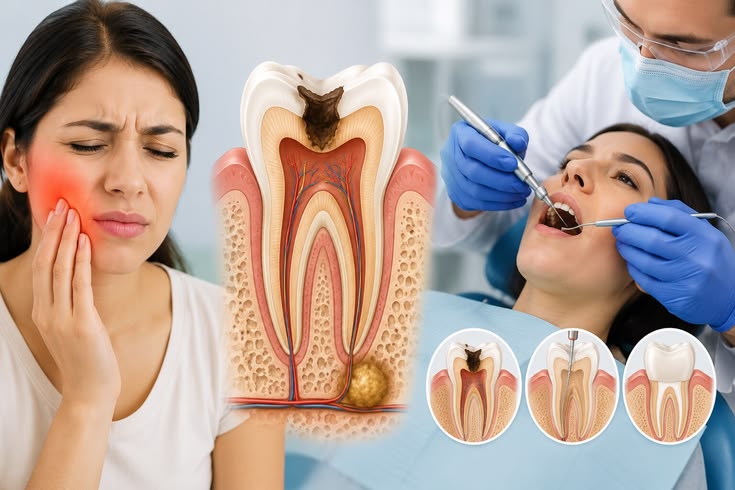
Root canal procedure is a dental procedure used to manage teeth with pulpal or periapical disease. It involves removing affected tissue from inside the tooth, cleaning and shaping the root canal system, and sealing the canals.
The purpose of treatment is to manage the affected tooth and, when appropriate, retain it as a functional part of the dentition.
At Medrose Medical Center in Dubai, our dentist assesses the condition of the tooth and recommends the most appropriate approach based on the individual clinical findings.
Wondering When is root canal treatment needed? Root canal treatment may be considered when the dental pulp has become inflamed or infected and the tooth remains suitable for endodontic treatment.
Dental caries that has affected the dental pulp.
Dental trauma that has affected the pulp.
Disease affecting the pulp or tissues around the tooth.
Symptoms such as pain or sensitivity may require further assessment when clinically indicated.
Root Canal treatment process is tailored to the individual tooth and may include the following steps:
Clinical examination and appropriate dental imaging may be used to assess the tooth and determine the appropriate treatment approach.
Local anaesthesia may be used when appropriate. The treatment area is isolated to help maintain a clean working field.
Affected tissue is removed and the root canal system is cleaned and shaped according to the clinical requirements.
The prepared canals are filled and sealed with an appropriate material to complete the endodontic treatment.
Root canal treatment is generally performed using local anaesthesia when clinically appropriate.
Some patients may experience mild discomfort or sensitivity after treatment. This usually improves with time, but persistent or worsening symptoms should be assessed by our dentist.
The number of visits varies depending on the condition of the tooth, the complexity of the case and the individual treatment plan.
Our dentist will advise you on the expected treatment schedule after assessing the tooth.
After treatment, the tooth usually requires a suitable restoration to restore its function and protect the remaining tooth structure.
Follow-up appointments may be recommended when clinically indicated.
Root canal treatment is not appropriate for every tooth. The decision depends on factors such as the condition and restorability of the tooth, the surrounding tissues, the complexity of the case and the overall treatment plan.
Book a Root canal dentist in Dubai at Medrose Medical Center to determine the appropriate treatment for your tooth.
Treatment recommendations are based on individual clinical assessment. Results and treatment requirements vary between patients.
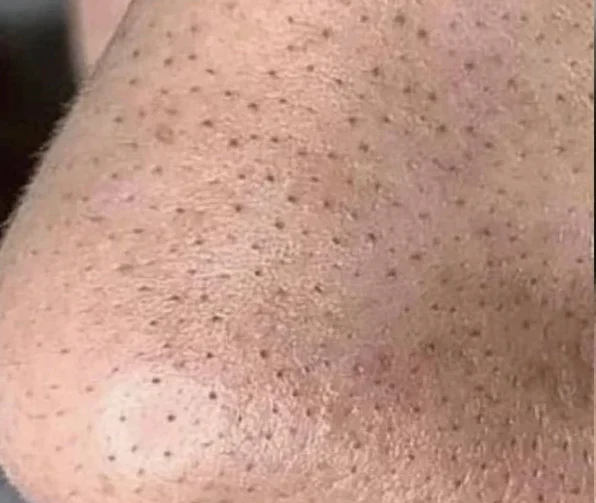
You have tried the cleanser. Changed the serum. Followed a skin-care routine. But the breakouts, blackheads or clogged pores are still there.

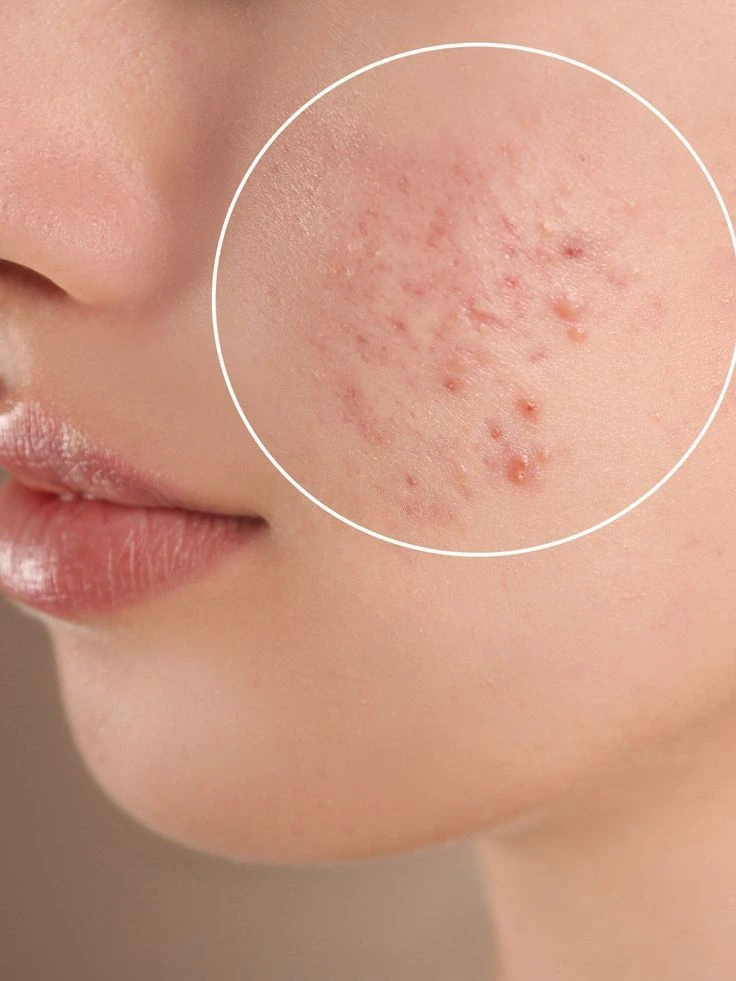
Acne is a common skin condition that happens when hair follicles become blocked with excess oil (sebum) and dead skin cells. Bacteria and inflammation may also contribute.
It can appear as blackheads, whiteheads, pimples or deeper inflammatory lesions. Acne most commonly affects the face but can also occur on the chest, back and shoulders.
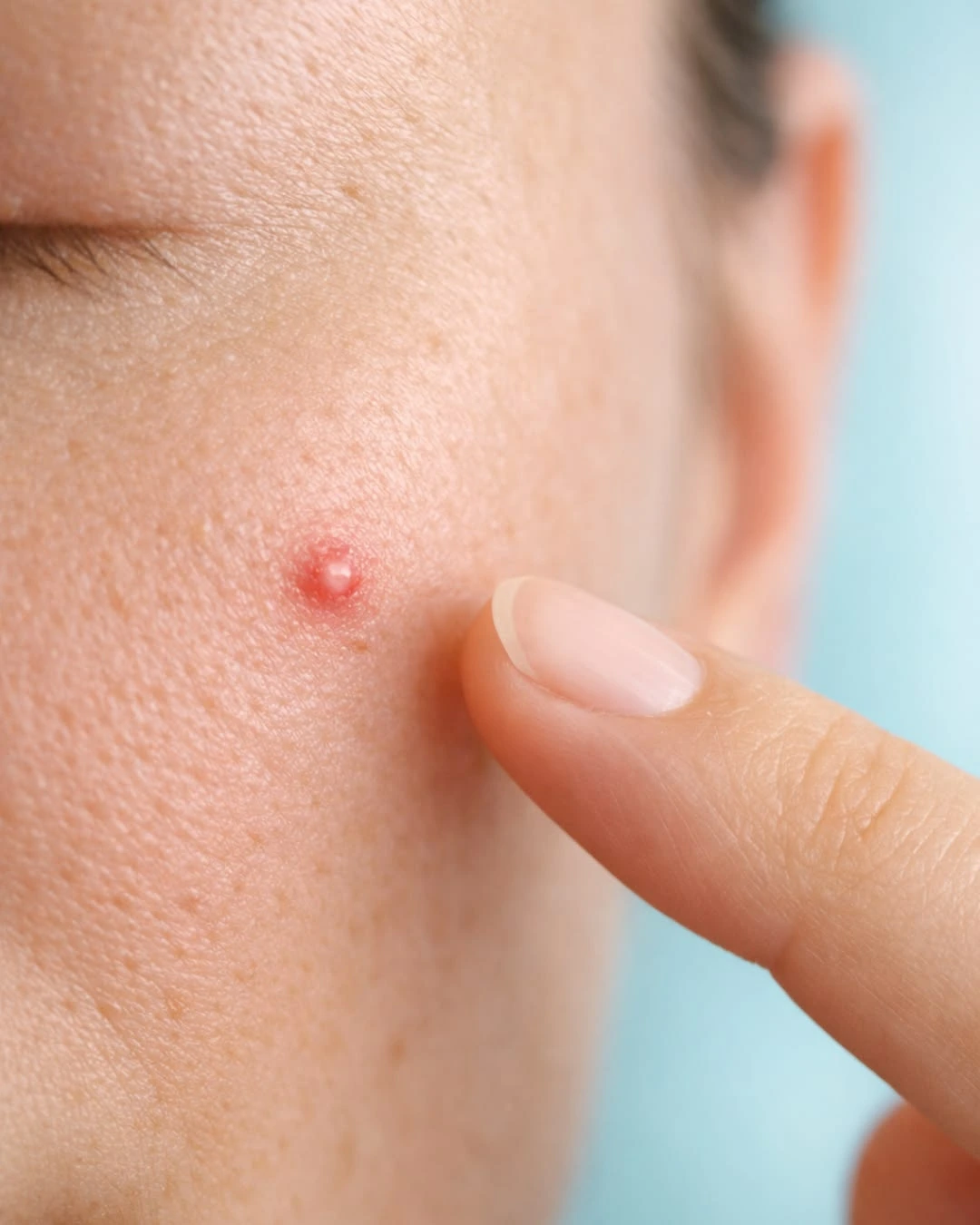
Consider a medical consultation when:

A structured and individualized approach to acne care.
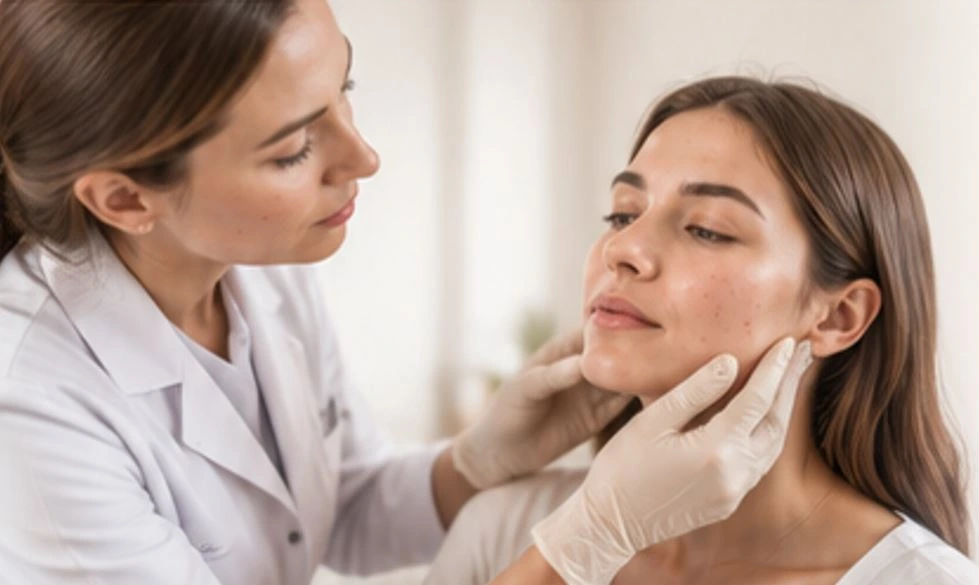
At Medrose, we assess the underlying factors contributing to your acne and create a personalized treatment plan. This may include medical skincare, prescription treatment and selected in-clinic procedures, combined with practical advice to help manage your skin and reduce future breakouts.
These simple measures may help support your skin:
Keep your phone
screen clean.
Change your
pillowcase regularly.
Gently cleanse and
dry your face.
Keep your hair
off your face.
Use a clean,
soft towel.
Acne develops when pores become blocked with excess oil and dead skin cells. Hormones, bacteria and inflammation may also contribute.
Mild acne may improve over time, but persistent or inflammatory acne may require treatment.
Some patients may notice early improvement within 2 weeks after starting appropriate topical treatment. More noticeable improvement often takes 6–8 weeks, depending on the acne and individual response.
Sometimes. A customized in-clinic facial, including appropriate cleansing and comedone extraction when indicated, may help support earlier improvement alongside the recommended home treatment.
Yes. Deeper inflammatory acne has a greater risk of scarring, especially when lesions are picked or squeezed.
Yes, but they should be chosen carefully. The same active ingredient may be present in several products without you realizing it. Combining or overusing acne actives can cause irritation and damage the skin barrier.
If your acne is persistent, recurring or difficult to manage, a medical assessment can help identify the factors contributing to your breakouts and guide an appropriate treatment plan.