
Medrose Medical Center | Barsha Heights, Tecom
Aesthetic Medicine
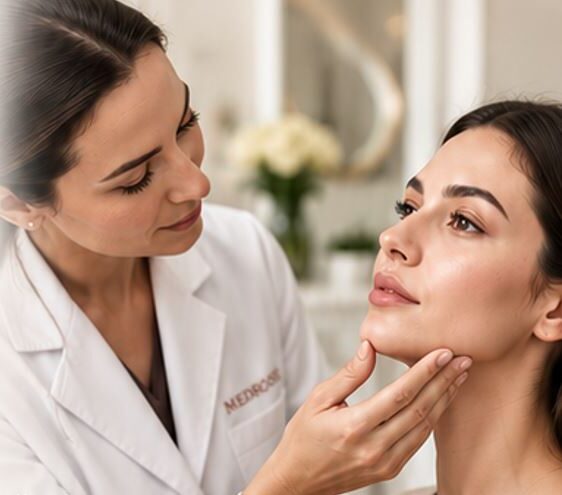
Initial Aesthetic Assessment
A thoughtful approach starts with understanding what you need — and what you don't.
Your consultation is the first step in creating an aesthetic treatment plan that respects your features, concerns and individual needs.
Personalised
assessment
assessment
Appropriate
treatment planning
treatment planning
Natural
approach
approach
Your Consultation
Your aesthetic consultation is not simply about choosing a treatment. It is an opportunity to understand your concerns, assess the areas you would like to improve, and determine whether treatment is appropriate for you.
01
We Listen
We discuss what concerns you, what you would like to improve and the result you are hoping to achieve.
02
We Review
Your relevant medical history, medications, allergies, previous aesthetic treatments and any previous reactions or complications are reviewed.
03
We Assess
The doctor assesses the relevant facial or skin features, including proportions, symmetry, skin quality, volume, movement and other factors relevant to your concern.
04
We Plan
Suitable options are discussed, including expected results, limitations, possible risks, alternatives and whether more than one session or treatment may be appropriate.
Sometimes,
the Right Recommendation
Is No Treatment
At Medrose, an aesthetic consultation does not automatically lead to a procedure.
If a treatment is unlikely to provide meaningful benefit, is not appropriate for you, or may compromise a natural result, we will explain why and may advise against it.
Good aesthetic medicine also means knowing when not to treat.
What We Need to Know
Your Health
- Current medical conditions
- Regular medications and supplements
- Allergies
- Pregnancy or breastfeeding, when relevant
- Previous significant illnesses or procedures
Your Aesthetic History
- Previous Botox or other botulinum toxin treatments
- Previous dermal fillers
- Skin boosters or biostimulatory treatments
- Lasers, peels or energy-based treatments
- Previous reactions or complications
- Any permanent fillers or implants in the treatment area
Please tell your doctor about previous aesthetic procedures even if they were performed several years ago.
Your Assessment May Include
→
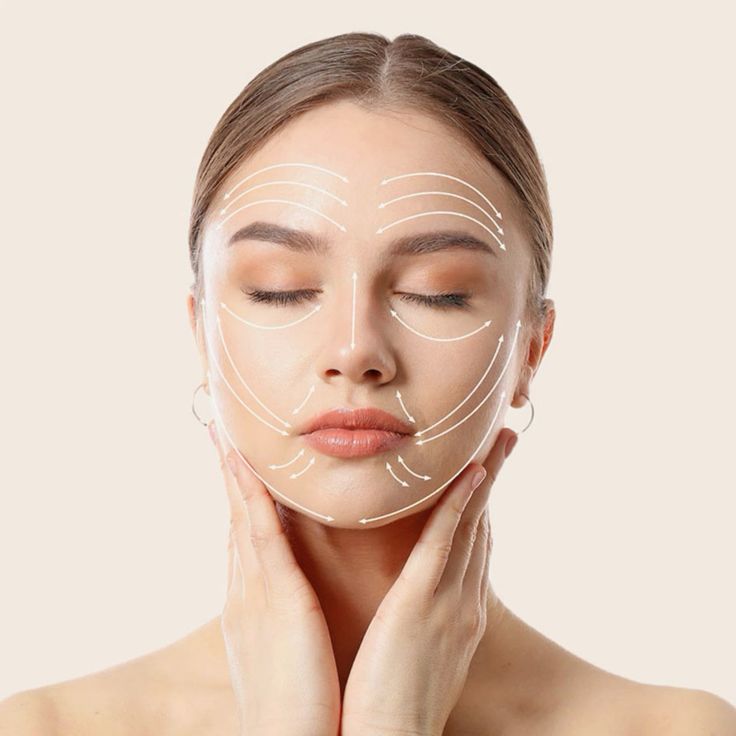
Facial Lines &
Expression
Botulinum toxin treatment options
→
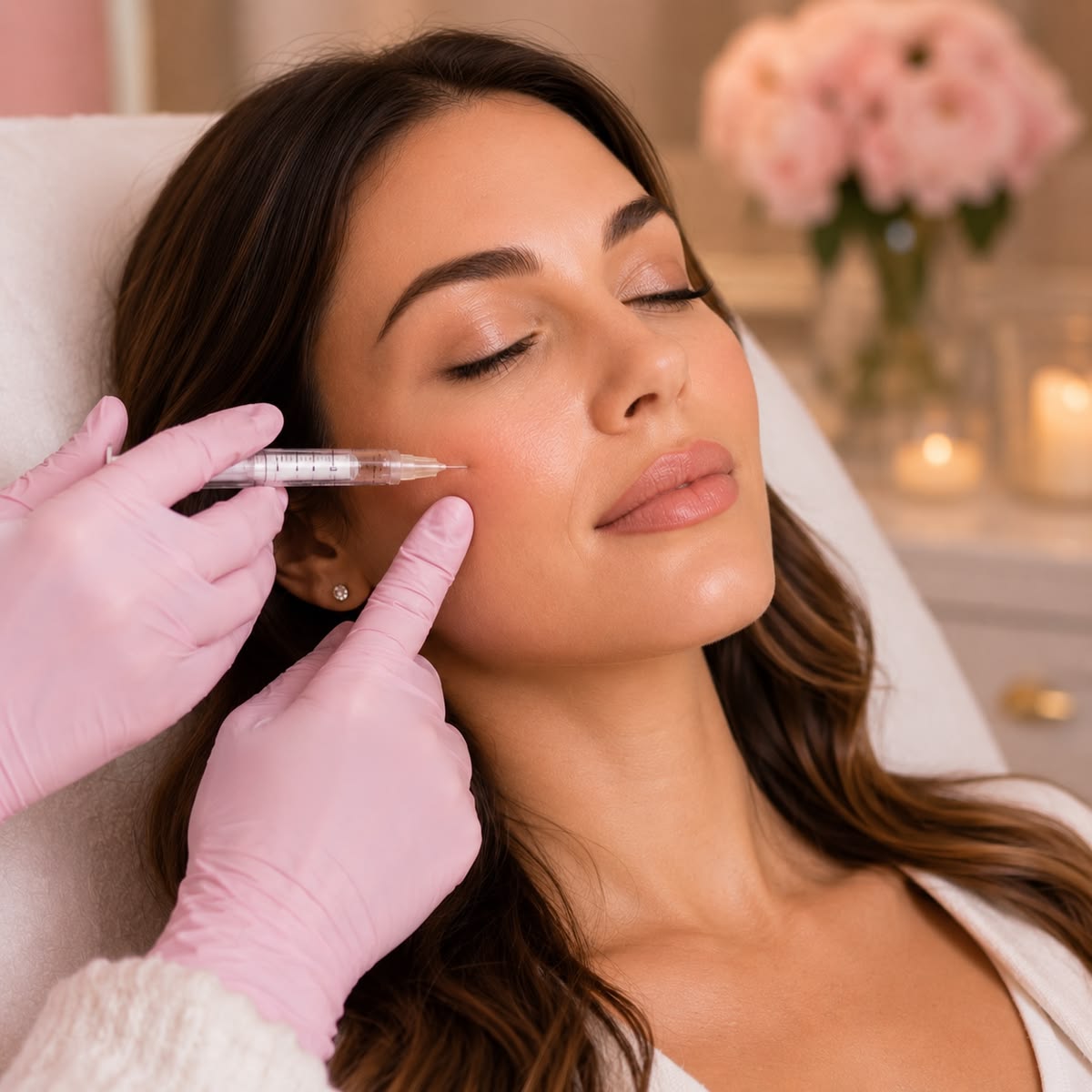
Volume &
Facial Contours
Dermal fillers and other appropriate options

→
Skin Quality &
Hydration
Skin boosters, PRP and regenerative approaches where appropriate
→
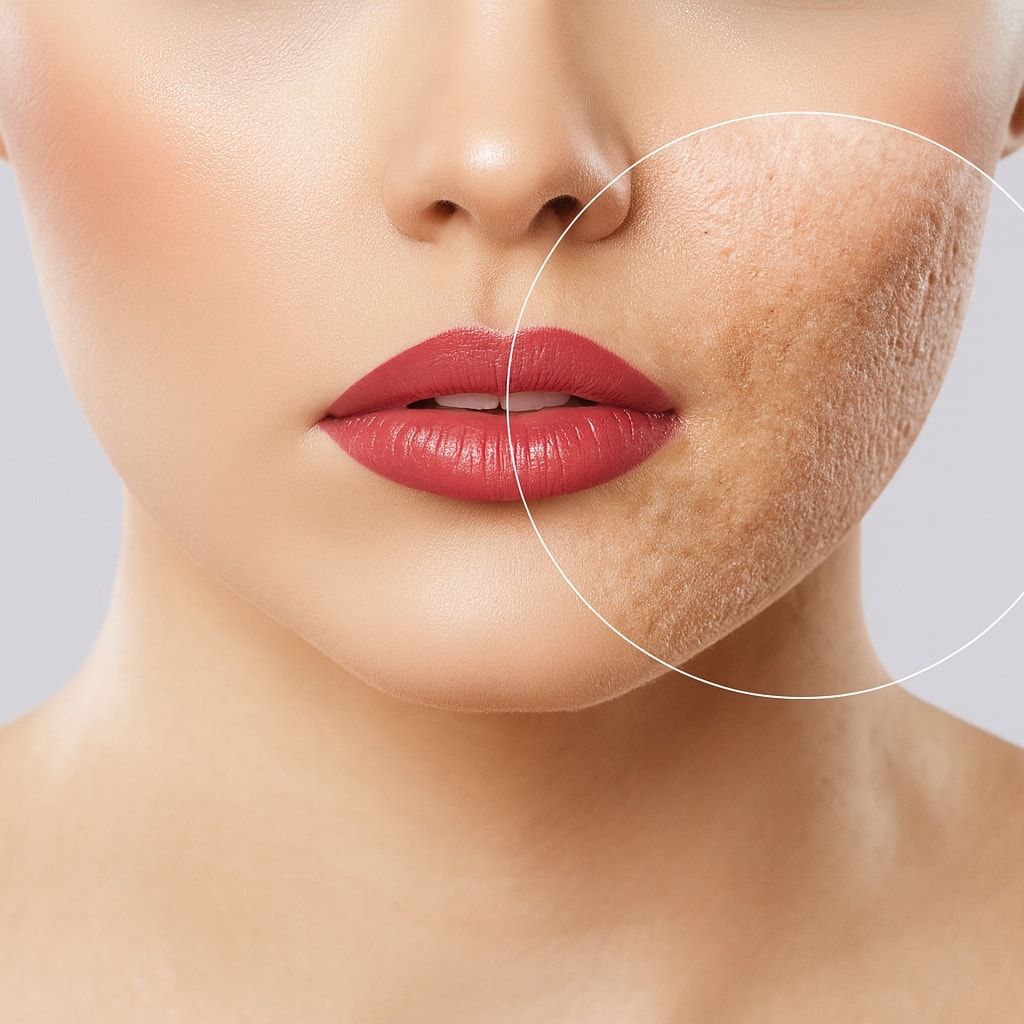
Texture, Pores
& Scarring
Microneedling, RF, peels and selected laser treatments

→
Skin Laxity
Energy-based and ultrasound treatment options

→
Pigmentation &
Uneven Tone
Assessment and treatment options according to the cause
The appropriate treatment depends on the assessment — not simply on the treatment requested.
A Plan Designed Around You
Following the assessment, your doctor may recommend:
One treatment
when a single approach is appropriate.
A staged treatment plan
when gradual treatment may provide a more controlled result.
A combination approach
when different concerns require different treatment modalities.
No treatment
when intervention is unnecessary or not advisable.
Frequently Asked Questions
View all FAQs →The consultation allows time to discuss your concerns, review relevant history, assess the area and discuss suitable options.
No. The purpose of the assessment is to understand your concerns and determine which options may be appropriate for you.
This depends on the assessment, the treatment being considered and whether it is appropriate to proceed on the day.
Yes. Details of previous aesthetic treatments, products, dates and any previous reactions can help your doctor assess your options.
Not necessarily. Treatment recommendations depend on the assessment, suitability, expected benefit and your individual circumstances.
Not Sure Which Treatment You Need?
Start with an assessment.
Understand your options before deciding on treatment.
📍 Medrose Medical Center
Al Barsha Heights, Dubai
Al Barsha Heights, Dubai