Spider Vein Laser Treatment in Dubai
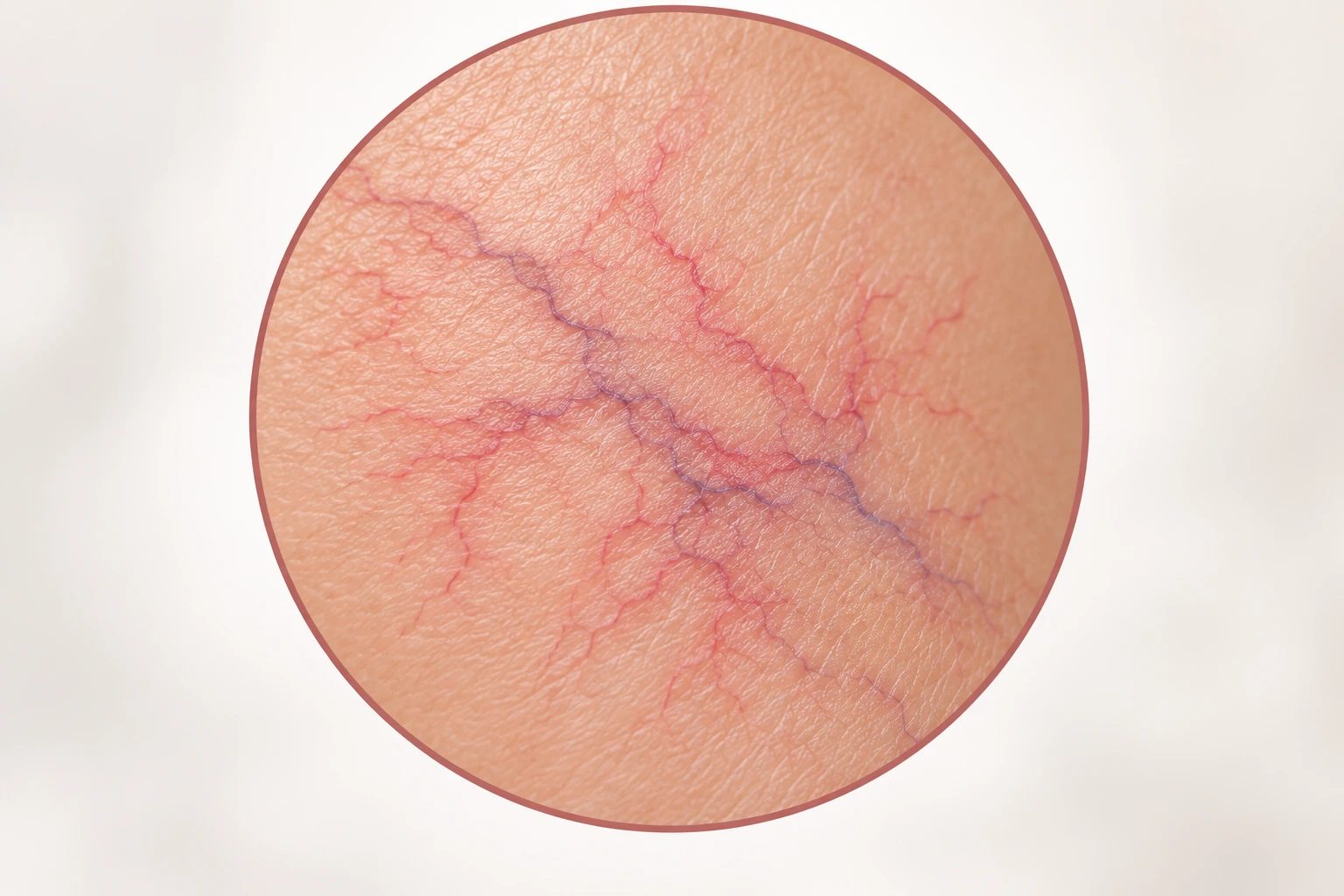
Spider veins (telangiectasias) are small, visible blood vessels that may appear red, purple or blue, commonly on the legs or face. They are often a cosmetic concern, but visible leg veins can sometimes occur together with larger reticular or varicose veins. For this reason, assessment is important before deciding whether laser treatment is appropriate.
What Are Spider Veins Treatment in Dubai?
Spider veins are small dilated superficial blood vessels visible through the skin. They may develop for several reasons, including genetic tendency, hormonal factors, pregnancy, prolonged standing, age and changes in the superficial venous system. Their appearance alone does not determine the most appropriate treatment.
Can Spider Veins Be Treated With Laser?
Selected superficial vessels can be treated with vascular laser. Laser energy is absorbed by hemoglobin within the targeted blood vessel, producing controlled heating that can cause the vessel to gradually close and become less visible. Response varies according to vessel size, depth and color, treatment area, skin type and individual factors.
Which Veins May Be Suitable for Laser?
Laser may be considered for selected small superficial vessels after assessment. Long-pulsed 1064 nm Nd:YAG laser is one established option for leg telangiectasias and small reticular veins. Treatment choice should be individualized; laser is not automatically the appropriate treatment for every visible vein.
When Is Further Vascular Assessment Important?
Prominent varicose veins, leg swelling, persistent aching or heaviness, skin changes, recurrent inflammation, or other features suggesting underlying venous disease may require further medical or vascular laser treatment. Treating a visible vessel does not treat an underlying venous disorder when one is present.
What to Expect From Treatment
What Happens During Treatment?
The area is assessed and appropriate laser parameters are selected according to the vessel and skin characteristics. Protective eyewear is used during treatment. Patients may feel brief heat, stinging or discomfort as individual vessels are treated. The duration depends on the number and size of the vessels.
How Many Sessions Are Needed?
There is no fixed number for every patient. Some vessels may improve after one treatment, while others require additional sessions. Complete clearance cannot be guaranteed, and new spider veins may develop over time.
Possible Side Effects
Temporary redness, swelling, tenderness, bruising or darkening of the treated vessels may occur. Less commonly, blistering, pigment changes, crusting or other skin reactions can occur. Individual risks depend on the treatment area, skin type and laser parameters.
Aftercare & Recovery
Appropriate aftercare and sun protection are important during recovery. Your clinician will provide guidance based on the treatment area, skin type and laser parameters used.
- Follow the aftercare instructions provided by your clinician.
- Protect the treated area from unnecessary sun exposure.
- Use appropriate sun protection as advised.
- Avoid picking or scratching any treated areas.
- Allow temporary redness or swelling to settle naturally.
- Contact the clinic if you develop an unexpected or concerning reaction.
Individual Assessment Matters
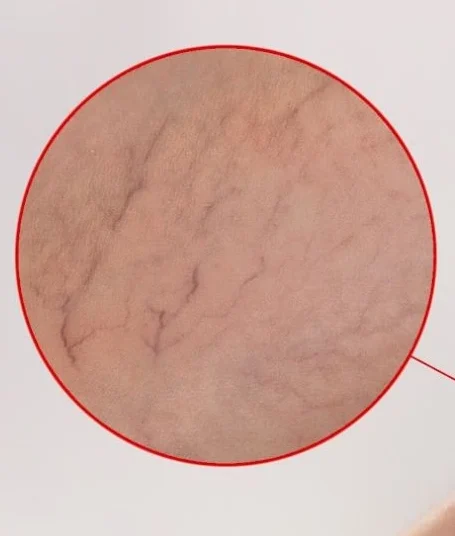
Visible spider veins can have different causes and appearances. A consultation allows the treatment area and vessels to be assessed before deciding whether laser treatment is suitable. Where there are signs of possible underlying venous disease, further medical or vascular assessment may be recommended.
Frequently Asked Questions
Is laser treatment suitable for all spider veins?
No. Laser may be suitable for selected small superficial vessels. The appropriate treatment depends on vessel size, depth, colour, location, skin type and individual assessment.
Does spider vein laser treatment hurt?
Patients may experience brief heat, stinging or discomfort as individual vessels are treated. The sensation varies between individuals and treatment areas.
How many treatments will I need?
There is no fixed number of sessions. Some vessels may improve after one treatment, while others require additional sessions depending on the individual response.
Can new spider veins appear after treatment?
Yes. Treatment can improve selected existing vessels, but it does not prevent new spider veins from developing over time.
What side effects can occur after treatment?
Temporary redness, swelling, tenderness, bruising or darkening of treated vessels may occur. Less commonly, pigment changes, blistering or crusting can develop.
When should I have a vascular assessment?
Prominent varicose veins, swelling, persistent aching or heaviness, skin changes or recurrent inflammation may require further medical or vascular assessment before cosmetic treatment.
Considering Spider Vein Treatment?
If you are concerned about visible spider veins, Medrose Medical Center in Al Barsha Heights (Tecom), Dubai can assess the vessels and discuss whether laser treatment is appropriate for you.