
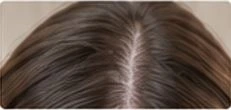
Diffuse shedding
More hair than usual in the brush, shower or pillow, often appearing overall thinner.
Not all hair loss has the same cause.
Understanding the difference matters.
Hair loss can affect both men and women and may be temporary or long-term. A medical consultation helps identify the cause and discuss suitable management options.

Hair grows from follicles in a natural cycle. At any time, some hairs are growing, some are resting and some are shedding. Losing a small amount of hair daily is normal. When shedding is excessive, when hair looks thinner over time or when patches of hair loss appear, it may indicate an underlying condition and should be assessed by a doctor.
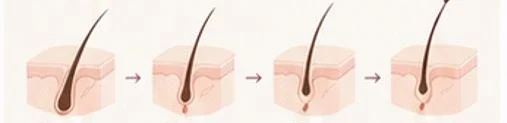
More hair than usual in the brush, shower or pillow, often appearing overall thinner.

Hair looks less dense over time, commonly seen in men and women.

Round or oval patches of hair loss, which may appear suddenly.
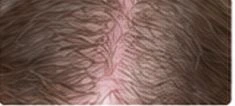
Hair loss associated with redness, scaling, itching or discomfort.
The most common cause, related to genetic factors and hormones.
Often triggered by physical or emotional stress, illness, surgery or nutritional changes, causing increased shedding.
An autoimmune condition where the immune system attacks the hair follicles, leading to patchy hair loss.
Can occur after childbirth, during menopause or due to thyroid disorders and other hormonal imbalances.
Low levels of iron, vitamin D, zinc or other nutrients can contribute to hair loss, especially when combined with other factors.
Certain medications, scalp conditions, traction from tight hairstyles and underlying medical conditions can also lead to hair loss.
Hair loss can have different causes and may require different approaches. A medical assessment includes a detailed history, examination of the scalp and hair, and when indicated, selected investigations such as blood tests. Identifying the cause helps determine the most appropriate management plan.

Management depends on the cause and type of hair loss. After a medical assessment, suitable options may include:

Depending on the type of hair loss, your doctor may prescribe topical or oral medications when appropriate.

Micro-injections of selected nutrients and active ingredients to support the scalp, used in appropriate cases.

Uses a concentration of the patient’s own platelets, which may help improve hair density in selected patients.

Guidance on hair care, nutrition and lifestyle factors to support overall scalp and hair health.
Losing approximately 50–100 hairs per day is generally normal. The amount varies between individuals and may appear greater on hair-washing days. Persistent excessive shedding or noticeable thinning deserves medical assessment.
It depends on the cause. Hair often regrows after temporary shedding, such as telogen effluvium, once the triggering factor has resolved. Hereditary hair loss may require ongoing treatment to slow progression and improve density. In scarring alopecia, permanently damaged follicles cannot produce new hair.
Yes. Significant emotional or physical stress can trigger telogen effluvium, a condition in which more hairs enter the resting phase. Increased shedding typically appears two to three months after the triggering event. Recovery is often gradual over several months.
PRP is not suitable for every type of hair loss. It may improve hair density in some patients , although results vary and the evidence remains limited. A medical assessment is necessary to determine whether PRP is an appropriate option.
Hair supplements are most useful when a nutritional deficiency is present. Taking vitamins without an identified need does not necessarily improve hair growth, It is preferable to consult with a doctor to identify the cause before starting supplements.
Consult a doctor if you notice persistent excessive shedding, progressive thinning, sudden bald patches or changes in your scalp. Hair loss accompanied by redness, pain, scaling or signs of scarring should be assessed promptly, as some conditions can cause permanent follicle damage.
A consultation helps identify the cause and explore suitable options based on your individual situation.