Medrose Medical Center | Barsha Heights, Tecom

Dandruff Treatment in Dubai | Medrose Medical Center
Close-up hair and scalp for dandruff treatment information

Dandruff Treatment in Dubai

Scalp flaking and itching are common and can be managed with the right approach. A medical consultation helps identify the cause and the most appropriate care.

Al Barsha Heights (Tecom), Dubai

What is dandruff?

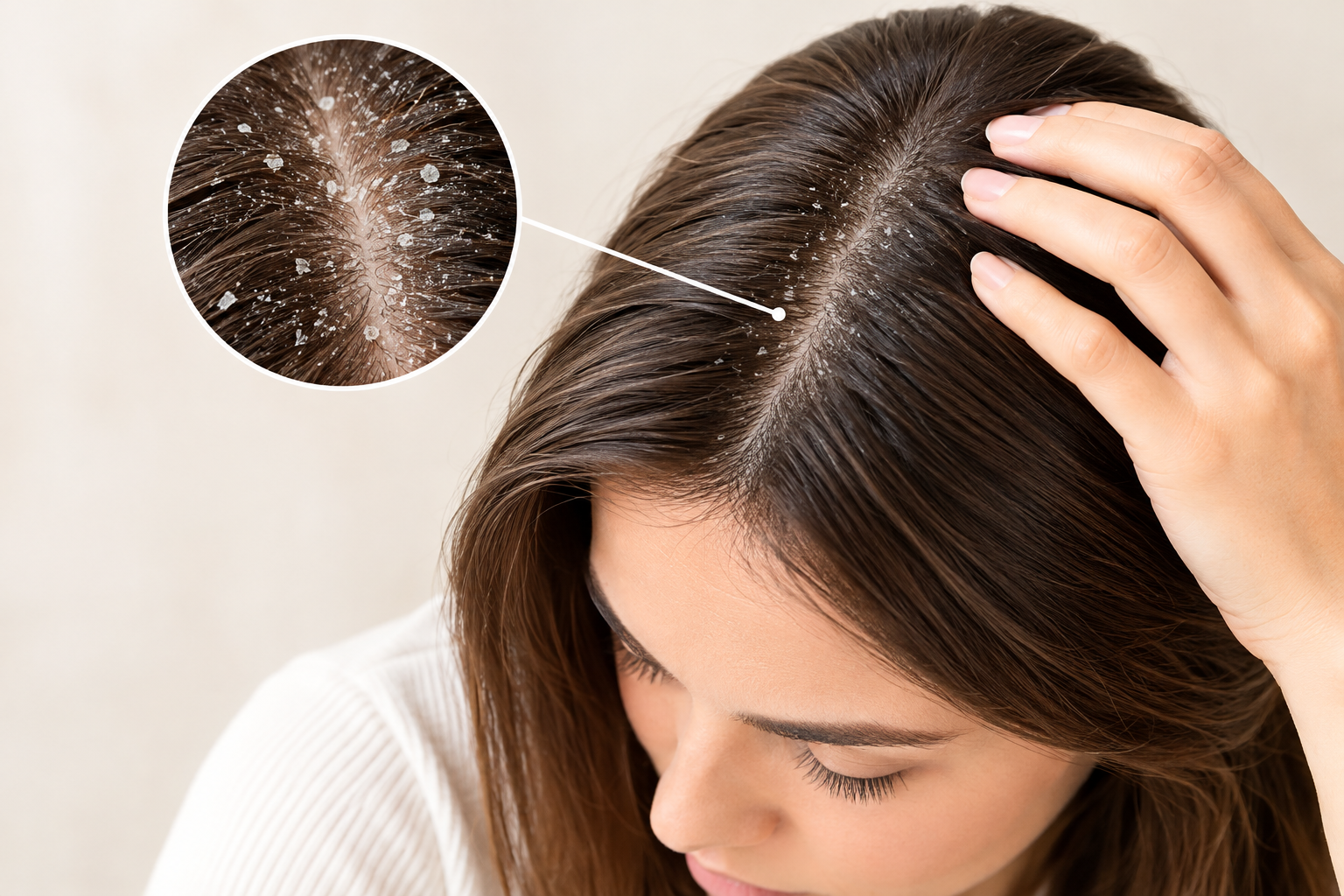
Dandruff is a common scalp condition characterised by visible white or yellowish flakes, which may be accompanied by itching. It is generally considered a mild, non-inflammatory form of seborrheic dermatitis.

Although it is usually harmless, persistent flaking can affect comfort and confidence, and may sometimes indicate another scalp condition that requires a different approach.

Why does dandruff develop?

Dandruff is associated with several interacting factors rather than one single cause.

Malassezia yeast

A yeast naturally present on the scalp that can contribute to flaking.
Sebum

The scalp’s natural oils influence the environment in which Malassezia lives.

Scalp sensitivity

Individual susceptibility influences how the scalp responds to these factors.

Contributing factors

Stress, climate, hormonal changes and hair-care habits may influence symptoms or flare-ups.

Not every flaky scalp is dandruff

Other scalp conditions can produce similar symptoms. A medical assessment helps identify the cause.
Close-up skin texture

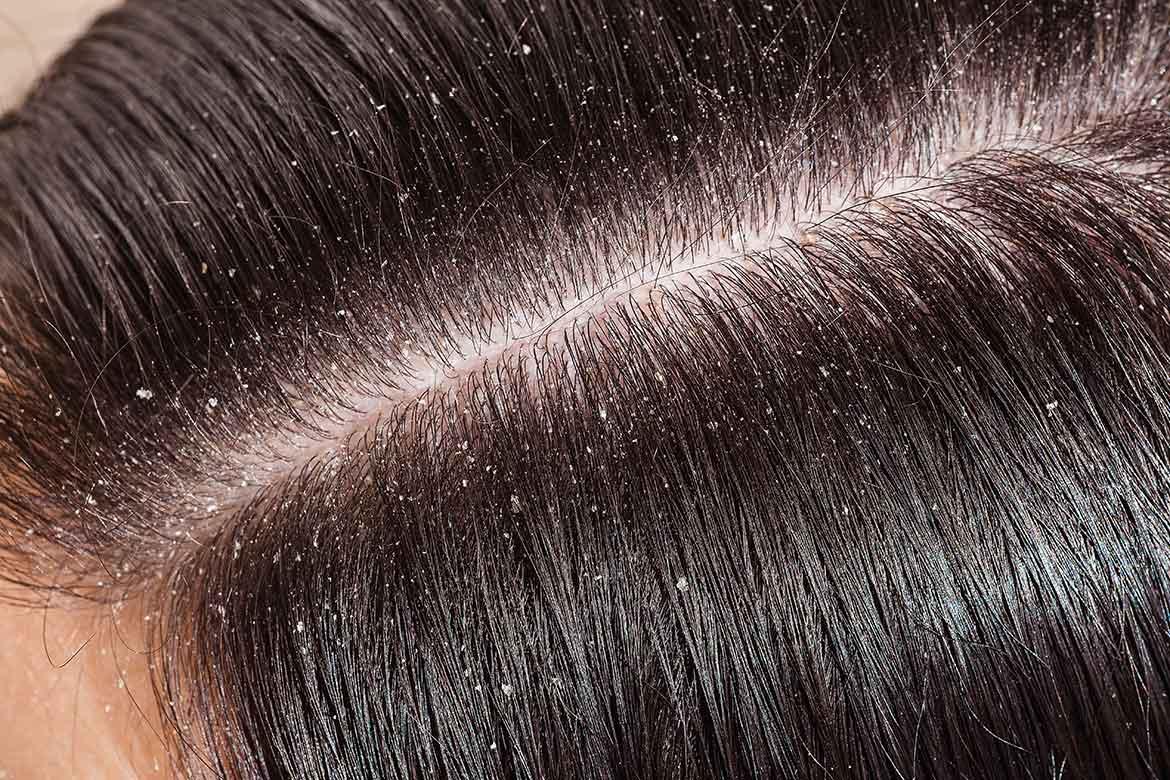
Dry scalp

Fine flaking, often with a feeling of tightness or dryness.
Skin care close-up

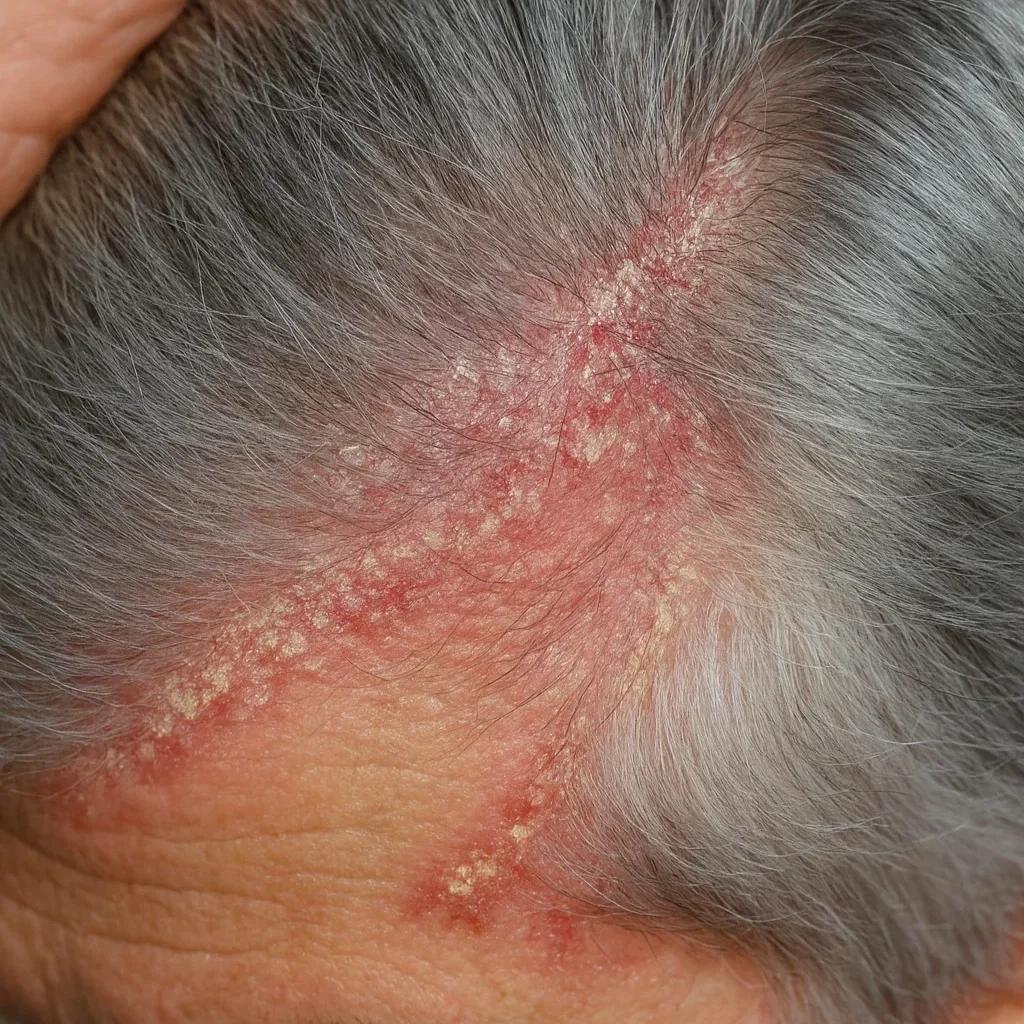
Seborrheic dermatitis

More pronounced scaling, sometimes greasy, with itching and visible inflammation.
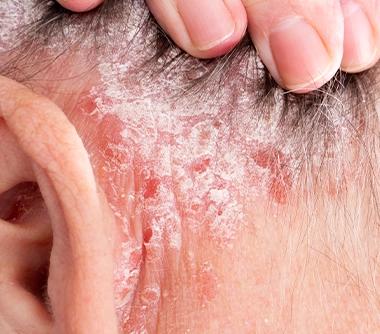
Dermatology skin detail

Scalp psoriasis

Often thicker, more clearly defined scaly plaques.
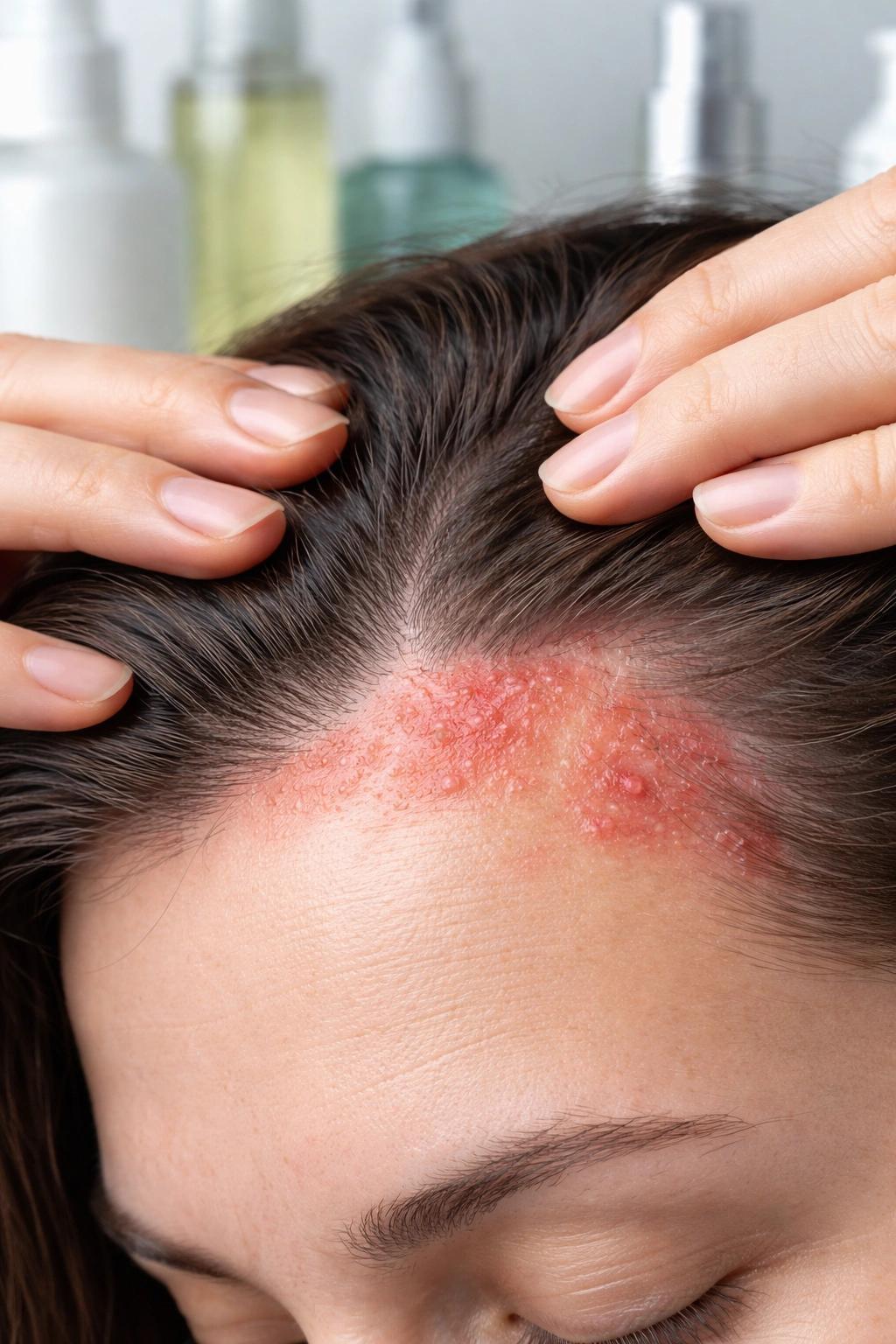
Hair and skin care products

Contact dermatitis

Irritation or allergic reaction associated with products such as hair dyes or shampoos.
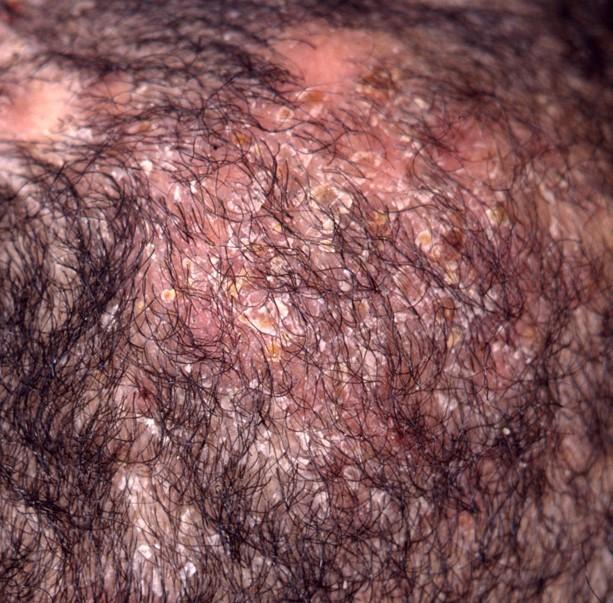
Hair and scalp close-up

Scalp fungal infection

May cause scaling with broken hairs, patchy hair loss or inflammation.
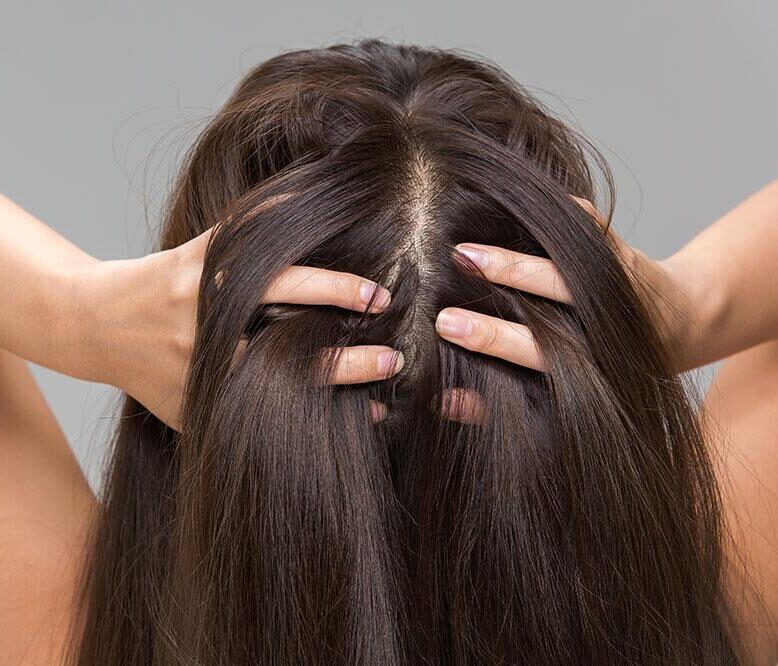
Woman gently checking her scalp and hair

When should you consult a doctor?

A medical consultation is advisable when:

  • ✓Flaking persists despite around four weeks of appropriate anti-dandruff shampoo use
  • ✓The scalp becomes very itchy, painful, swollen or inflamed
  • ✓Thick scales, crusting or significant redness develop
  • ✓Flaking is accompanied by patchy hair loss or broken hairs
  • ✓Similar scaly patches appear on the face, eyebrows or ears

Practical scalp care advice

A few habits can help reduce symptoms and maintain a healthier scalp.

Choose the right shampoo

Use an anti-dandruff shampoo with an appropriate active ingredient, such as ketoconazole or selenium sulfide, when indicated.

Allow contact time

Some medicated shampoos need several minutes on the scalp before rinsing. Follow the product instructions.

Be consistent

Frequency of washing depends on scalp condition, hair texture and the shampoo being used.

Avoid unnecessary irritation

Limit harsh scrubbing, excessive scratching and products that may irritate your scalp.

Frequently Asked Questions

Answers to common questions about dandruff, scalp itching and treatment.

Dandruff develops through the interaction of natural scalp oils (sebum), a yeast called Malassezia, and individual scalp sensitivity. Malassezia normally lives on human skin, but in susceptible people, it can contribute to increased skin shedding and visible flakes.
Mild dandruff can often be controlled with an anti-dandruff shampoo containing ingredients such as ketoconazole or selenium sulfide. Regular use according to the product instructions is important. If flaking persists despite appropriate care, a medical examination can help identify the cause.
Dandruff is associated with Malassezia, a yeast naturally present on the scalp. However, dandruff is not the same as a contagious fungal scalp infection, such as tinea capitis (scalp ringworm).
Dry scalp often produces small, fine flakes accompanied by dryness or tightness. Dandruff is more closely associated with scalp oils and Malassezia and may produce larger flakes with itching. The symptoms can overlap, so flake appearance alone is not always sufficient to distinguish them.
Ordinary dandruff does not usually cause permanent hair loss. However, scalp inflammation and repeated scratching may contribute to temporary hair shedding. Patchy hair loss, broken hairs or significant inflammation require medical assessment to exclude other conditions.
Improvement may become noticeable within one to two weeks of using an appropriate anti-dandruff shampoo. Many products are assessed over approximately two to four weeks. The response depends on the underlying condition, severity and consistency of use.
Dandruff can usually be controlled, but it has a tendency to recur. Once symptoms improve, occasional maintenance use of an appropriate anti-dandruff shampoo may help reduce future flare-ups.
Washing frequency depends on scalp oiliness, hair texture and the shampoo used. An oily scalp may benefit from more frequent washing, while dry, curly or tightly coiled hair may need a different routine. Follow the medicated shampoo instructions or your doctor's advice.
Scalp oils may relieve dryness in some people, but they do not necessarily treat dandruff. Heavy oil application can be unsuitable for certain cases of seborrheic dermatitis. It is important to distinguish dry scalp from dandruff before choosing oil-based products.
No. Ordinary dandruff and seborrheic dermatitis are not contagious and cannot be transmitted by sharing a comb or being close to someone. However, some fungal scalp infections that resemble dandruff can be contagious.
Yes. Stress may contribute to flare-ups of dandruff and seborrheic dermatitis in susceptible individuals. It is a contributing factor rather than the sole cause of the condition.
Consult a doctor if dandruff persists after approximately four weeks of appropriate shampoo use, or sooner if you develop marked redness, pain, swelling, thick crusts, intense itching or hair loss. These symptoms may indicate another scalp condition requiring assessment.

Concerned about persistent scalp flaking?

A medical assessment can help distinguish ordinary dandruff from other scalp conditions and determine whether further care is necessary.

Book a Consultation →
Al Barsha Heights (Tecom), Dubai

Medical content prepared and reviewed by Dr. Nadjia Guergour.