Ancient traditions
Use of natural oils, plant extracts and minerals for skin care.
Aesthetic Services
A medical approach to natural-looking results.
Aesthetic medicine combines medical knowledge, scientific developments and an understanding of facial and skin anatomy to address selected aesthetic concerns in a safe and appropriate way.
At Medrose Medical Center in Al Barsha Heights, Dubai, we believe that
every aesthetic procedure should begin with a
Medical question:
Is this treatment appropriate for this person?
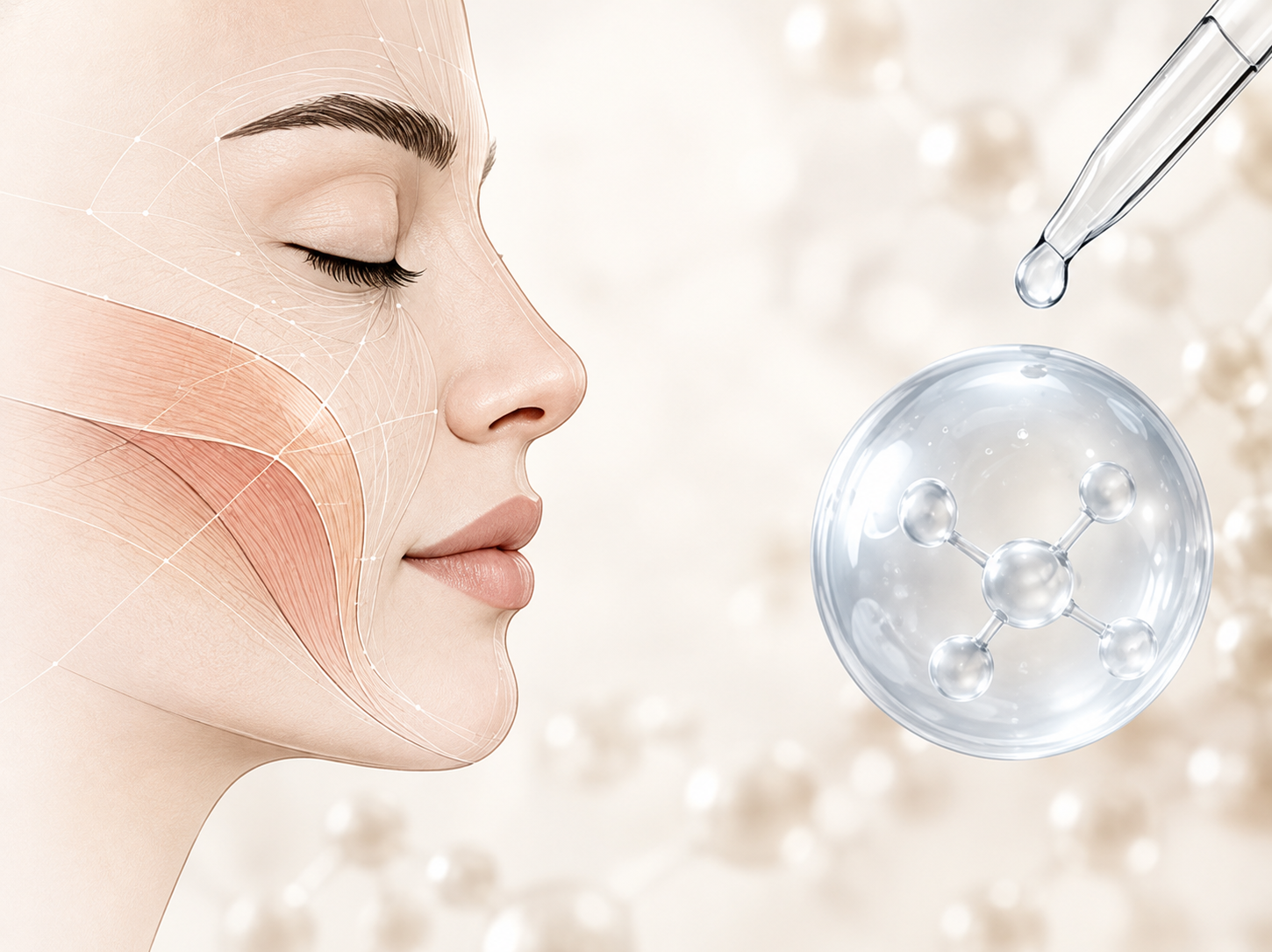
It is not simply the act of injecting a product or operating a device. It begins with a medical assessment, an understanding of anatomy, and a careful evaluation of benefits, limitations and risks.

A rich history
The desire to care for our appearance is not new. Ancient civilizations used oils, plant extracts, minerals and various preparations to care for the skin and alter appearance.
Modern aesthetic medicine developed much later, through advances in dermatology, reconstructive surgery, pharmacology and medical technology.
Use of natural oils, plant extracts and minerals for skin care.
Chemical peels, lasers and new treatment approaches.
US FDA approval of a botulinum toxin type A product for temporary improvement of certain facial expression lines.
A wide range of medical aesthetic treatments, with a better understanding of safety, anatomy and individual results.
Aesthetic medicine is not simply about what can be done. It is about what should be done, for whom, and under which conditions.
The doctor evaluates your concern, expectations, skin condition, facial anatomy and relevant medical history.
Medical conditions, medications, allergies, previous procedures, skin characteristics and other factors may influence the suitability of a treatment.
Every procedure has potential benefits, limitations, contraindications and possible complications. These deserve a clear explanation before consent.
Sometimes a procedure is appropriate. Sometimes it should be postponed, modified or avoided altogether.

An important fact
In aesthetic medicine, the amount of product, the depth of injection, the treatment area and the patient's anatomy can significantly influence the outcome.
Increasing the quantity or intensity of a treatment does not automatically improve its effectiveness. In some circumstances, it may increase the risk of complications.
What can aesthetic medicine address?
Aesthetic medicine includes several approaches, each with its own indications and limitations.
Botulinum toxin and selected skin treatments.
Hyaluronic acid fillers and related procedures.
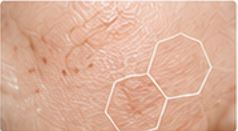
Microneedling, radiofrequency and selected resurfacing techniques.
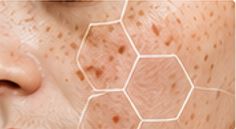
Selected peels, laser procedures and medical skincare.
Other approaches include PRP, skin boosters, HIFU and selected procedures for skin firmness and quality. Their suitability depends on clinical assessment.
The Medrose perspective
We believe that patients deserve to understand not only what a procedure may achieve, but also what it cannot achieve.
A natural-looking result is not necessarily the absence of treatment. It may reflect careful indication, appropriate technique, reasonable quantities and respect for individual anatomy.
In aesthetic medicine, knowing when not to treat is as important as knowing how to treat.
At Medrose, we value honest discussion, realistic expectations and informed decisions over unnecessary procedures.

Start with a medical consultation to understand the available options, expected benefits and possible risks.
Book a Consultation →